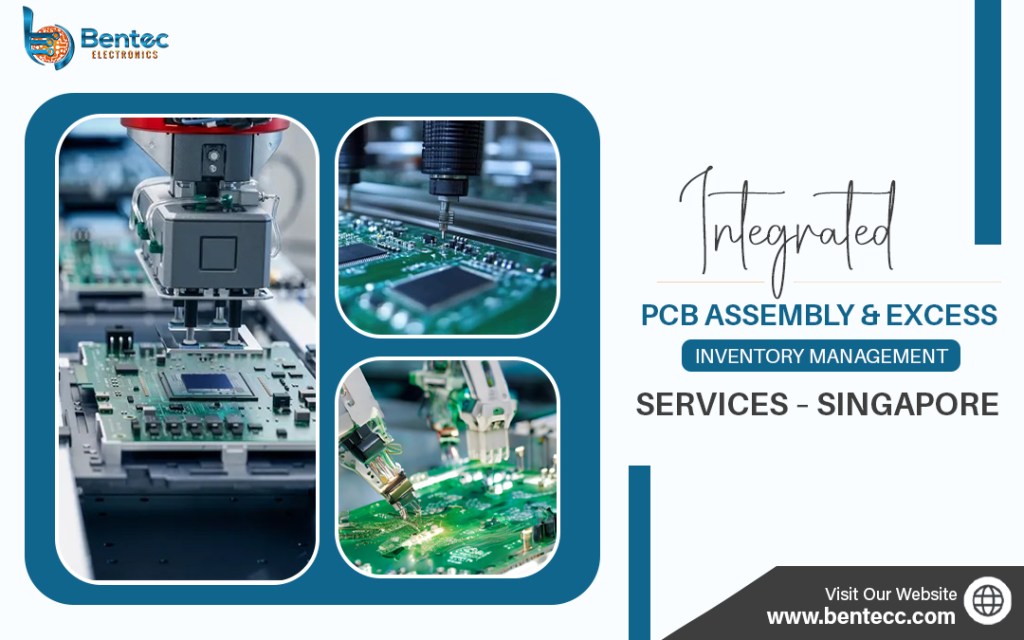
Integrated PCB Assembly & Excess Inventory Management Services – Singapore

It’s common for costs to be high when working with a contract maker for small production runs. This is especially true when it comes to making gadgets. Because the cost of making printed circuit boards (PCBs) is going up, switching to bulk PCB assembly is a good idea. When the number of items is thousands or more, automation, cost savings, and efficient production start to make a difference.

From Prototype to Mass Production

Prototype builds, which are usually limited to tens or hundreds of units, are the first step in PCB development. These early models are used to make sure that the design and operation of the board are correct. The build output goes up a lot once it is certified and accepted for production. Planning the whole production run at once based on study into the market and predictions of what people will want saves money and makes the assembly line work better. 

Faster Turnaround and Delivery

Getting the goods to customers on time is very important for the success of any launch. Since enough parts were bought ahead of time, there is no delay caused by not having enough materials or having to replace them. When you order in bulk, you can keep extra stock on hand in case any parts fail or test results are lost. Automation, made possible by large orders, cuts down on assembly time and speeds up project finish. 

Customization Opportunities in Volume Orders

Larger production numbers give designers more freedom to make changes and try new designs. When the amount of the build supports the setup cost, contract makers can more easily make changes like adding new parts, resizing the board, or using different casings. When you purchase a lot of something instead of a little bit, you may make tiny adjustments to the design to better meet consumer input and market demands.

Strengthening the Supply Chain

A more reliable and fast supply chain benefits from buying parts in bulk. When a customer places a big order, the vendor is more likely to put that customer first and help them, maybe even making special parts when needed. This makes PCB Assembly Singapore processes run more smoothly and improves the efficiency of planning.  

Supporting Scalability and Demand Readiness

Scalable production methods are needed to meet the needs of customers whose needs are growing. Successful bulk assembly makes multi-part tasks predictable and manageable. Ready-to-ship inventory lets companies quickly satisfy massive orders, which makes customers happy.

Managing Component Availability and Stability

 In the technology business, part obsolescence is a common problem. Effective Excess Inventory Management stabilizes costs over time in addition to reducing material waste. If you combine it with accurate forecasts, it guarantees that output will continue even when the market changes.

Inventory Preparedness for On-Demand Delivery

Having enough stock on hand helps with faster response times and more open delivery times. Buying in bulk makes Excess Inventory Management better by cutting down on the number of reorders and making better use of resources. It also helps reach green goals by cutting down on the need for packing and shipping, which in turn lowers the production process’s impact on the environment.

Conclusion

When a product is ready to go from pilot to full-scale production, bulk PCB assembly is a big help. Bulk output is a key part of growth, scalability, and long-term success in businesses that use PCB Assembly Singapore services and change quickly. Discover precision, performance, and reliability with Bentec Electronics – your trusted partner in innovative electronic solutions.

How Efficient Is Your Warehouse? The Need for Smarter Excess Inventory Management

In today’s fast-moving industrial environment, warehouse efficiency isn’t merely an efficiency measure—it’s a requirement for business survival. The escalating demand for smart industrial components, like those by a Harting distributor in Singapore, has put a greater burden on warehouses to work with precision.

Yet, one of the neglected challenges that upset this accuracy is excess inventory. Inefficient handling of surplus stock can lead to increased costs, wasted storage space, and, eventually, reduced operational performance.

Understanding the Hidden Costs of Excess Inventory

Overstock is more than unused inventory—it’s immobilized capital, added storage expenses, and higher obsolescence risk. When warehouses are full of unsold or sluggish merchandise, room to store fast-moving inventory decreases. In addition, stock mismanagement can produce inaccurate forecasts and procurement errors, exacerbating the issue in the long run.

Most common problems related to overstock:

  • Higher storage and maintenance expenses
  • Lower cash flow
  • Increased risk of product expiration or obsolescence
  • Wasteful use of warehouse capacity
  • Supply chain agility disruption

Specialized supplier-influenced warehouses, like a Harting distributor in Singapore, should be extra vigilant since component life cycles can be brief, and specs can evolve swiftly.

Why Smarter Inventory Management is Important

Successful excess inventory management is not merely about minimizing excess—it’s about developing a lean and responsive system that enables agility and precision. With the help of smarter strategies, companies can turn warehousing into a profit-generating unit instead of a cost center.

Smarter Excess Inventory Management Strategies:

1. Data-Driven Forecasting

Use forecasting systems that review past trends and forecast future demand with a high level of accuracy. Involving real-time sales and supply data in your inventory choices is the key to avoiding overstock.

2. Regular Inventory Audits

Schedule regular checks and stock assessments in order to detect slow-moving stock before it turns into dead stock. A cycle count system usually beats periodic annual counts in terms of maintaining accuracy.

3. Demand Segmentation

Classify inventory according to the variability of demand. This aids in fitting inventory strategy to various product classes and market behavior, maximizing order quantities.

4. Automated Replenishment Systems

Automation reduces errors caused by humans and assists in maintaining optimum levels of stock. Automated systems also issue notifications whenever there are mismatches or threshold crossing.

5. Liquidation and Redistribution

Anticipatively sell out old stock or shift it from one branch to another where there could be more demand. This not only opens up space but also minimizes the write-off burden.

Making the Transition: From Overstock to Optimization

Shifting to intelligent inventory practices does not mean an overhaul—it starts with incremental, regular improvements. Adopting just one of the above strategies can result in quantifiable gains. For example, companies involved in technical component supply chains—like those handling a Harting distributor in Singapore—can gain significantly from intelligent demand planning and rigorous inventory classification.

A contemporary warehouse needs to advance beyond being merely a passive repository. It needs to be an adaptive, responsive node in the supply chain. Effective excess inventory management is key to this progression.

In Summary

Excess inventory is a silent drain on warehouse productivity and profitability. By adopting data-driven, segmented, and automated strategies, businesses can achieve leaner operations and better serve their markets. Whether you’re handling consumer goods or partnering with a Harting distributor in Singapore, refining your approach to excess inventory management is critical for long-term success.

Boost Efficiency & Cut Waste: Master PCB Assembly & Inventory Management

Electronics require PCB Assembly, which entails adding pieces to a PCB to create circuits. However, managing excess inventory well is just as essential if you want to cut costs and make supply chain processes run more smoothly. This article will discuss how businesses can streamline PCB Assembly and use good excess inventory management strategies to reduce waste and make more money.

1. Electronics Manufacturing: PCB Assembly Matters

PCB Assembly is the basis of modern electronics, making it possible to create high-performance products for many fields.  Assembling PCBs correctly is essential for all electronic devices, from household electronics to industrial automation.  Parts of the process are:

  • Component Positioning: You can use automated tools or hand to put electronic parts on the PCB.
  • The Soldering Process: For strong electrical links, use methods like wave soldering or reflow soldering.
  • Inspecting quality: Automated Optical Inspection (AOI) and X-ray inspection are advanced testing methods that find problems early on.

Optimising PCB Assembly Singapore ensures that electronic goods are reliable, save money, and get to market faster.

2. PCB Manufacturer Inventory Issues

Companies have too much inventory when they keep more parts than they need, which wastes time and money.  This problem happens because of wrong predictions of demand, problems in the supply chain, and production delays.  Some common issues are:

  • Higher Holding Costs: Costs like storage, insurance, and wear and tear increase over time.
  • Component Demise: Because technology changes so quickly, some parts become useless, which costs money.
  • Cash flow constraint: Too much inventory wastes money that could be used in other parts of the business.

3. Effective excess inventory management

To effectively handle extra inventory, companies should use innovative inventory strategies.  Here are some essential approaches:

  • Accurate Demand Forecasting: Data analytics and AI-powered tools can help you figure out what customers will want so you don’t overstock.
  • Vendor-Managed Inventory VMI: Controlling inventory levels with providers is the best way to ensure a balanced supply.
  • JIT manufacturing: When you only order parts when needed, you save money on storage and waste.

4. Technology in PCB Assembly and Inventory Control

New technologies are essential for improving both PCB Assembly Singapore and excess inventory management.  Here are some new ideas:

  • Automatic Assembly Lines: Artificial intelligence (AI) and robotic arms make tools more accurate and faster.
  • IoT Inventory Tracking: Keeping track of product levels in real time stops both overstocking and shortages.
  • Blockchain for Supply Chain Transparency: Inventory management is more accurate when deals are safe and transparent.

5. Ecological Methodologies to Reduce PCB Contamination

Sustainability is becoming a significant issue in PCB manufacturing, with companies finding ways to reduce electronic waste.  Effective methods include:

  • Recycling Excess Components: Reusing and recycling outdated parts can cut costs and support environmental efforts.
  • Eco-Friendly PCB Materials: Using lead-free solder and biodegradable PCB substrates supports sustainability.
  • Reduced Waste Design: Making PCBs with efficient design cuts down on waste.

6. PCB Assembly and Inventory Management Future Trends

The future of PCB Assembly Singapore and Excess Inventory Management will depend on how technology changes and what the market wants.  Here are some new trends:

  • AI-Powered Predictive Analytics: AI-powered tools will make predicting demand easier and make the best use of supplies.
  • Wearable PCBs: Products will look very different after new developments in bendable electronics.
  • Sustainable Manufacturing: Policies and programs that support the environment will push eco-friendly output.

Conclusion

A well-tuned PCB Assembly method and intelligent management of excess inventory can lower costs, boost efficiency, and ensure long-term manufacturing practices.  Businesses can make the most money and reduce waste using advanced technologies, accurate demand forecasts and ecofriendly initiatives. Bentecc is changing the way PCBs are put together with smart solutions for excess inventory that will make the future more efficient, cost-effective, and environmentally friendly.

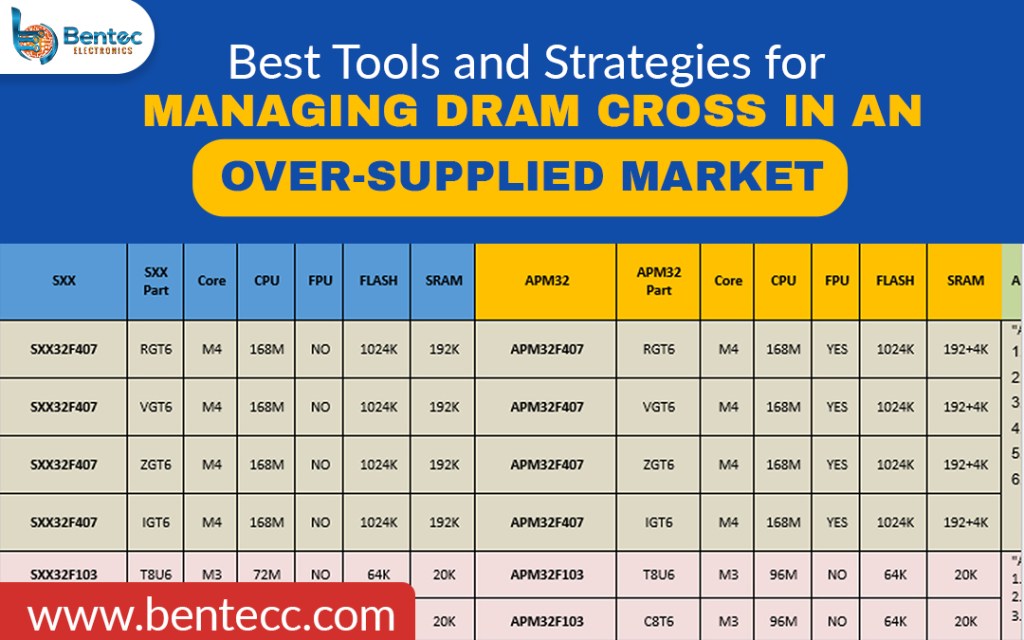
Best Tools and Strategies for Managing DRAM Cross in an Over-supplied Market

Technological advancement can often cause fluctuations in the supply and demand ratios within the semiconductor market. In an oversupplied market, DRAM Cross, where certain DRAM modules are turned around and redeployed for various demands, is a real issue. As with any business, the cost control of DRAM Cross and excess inventory are implicated in achieving strategic goals for profitability and efficient operations.

Here are some of the best practices the industry can use to control DRAM Cross within an over-supplied market better.

Techniques for Efficient DRAM Cross Management

1. Inventory Management Software

Modern Excess Inventory Management systems enable real-time tracking and, at the same time, allow for forecasting. They enable businesses to:

  • Determine possible surplus DRAM modules in the shortest possible time.
  • Synchronize cross-functional reallocation in the supply chain.
  • Develop suggestions to help avoid overstock issues in the business.

2. Data Analytics Platforms

There are numerous resources for highly detailed market analysis and forecasting of fluctuations in demand. These tools are crucial for managing DRAM Cross by:

  • Drawing attention to low demand patterns of delivered modules.
  • Giving recommendations on how some left stock can be used or taken to another market.

3. ERP Systems

Supply chain processes in an organization can be connected and used with coordination by using ERP systems that enhance communication between departments. Key benefits include:

  • Reduced visibility into inventories of memory DRAM.
  • Integration for smooth cross-matching DRAM specifications to new requirements.

4. Market Monitoring Tools

These tools track global pricing trends and regional demand for DRAM, offering insights into the following:

  • Decide the right price levels for products that are available in abundance.
  • Target areas with a more demanding need for the particular kind of DRAM modules.

Appropriate Management Approaches Toward DRAM Cross in Over-Supply Condition

1. Segmentation and Prioritization

Segment inventory using the cutting plane according to the demand, value, and degree of multiproduct use. The high-value DRAM modules should be cross-matched to prevent the firm from incurring losses.

2. Dynamic Pricing Models

It allows for dynamic pricing, which means businesses can increase or decrease their price for extra DRAM modules depending on the market situation. By offering it at lower prices, they purposely make it easier for them to sell excess inventory.

3. Reverse Logistics

With a reverse logistics system in place, business organizations are able to look for means to get value added to the excess stock. This may involve upgrading, redeploying or processing DRAM modules which were no longer useful in their conventional application.

4. Improve Supply Chain Links

This means that businesses enjoy close working relationships with the supply chain, which assists in determining market requirements. These strong relationships are important in enabling the efficient running of various DRAM Cross activities.

5. Leverage Trade-In Programs

With the establishment of trade-in programs, DRAM modules, which are obsolete or once oversupplied in the market, can be returned back to the market, which can give one more chance to extract values and give life to these modules.

Proactive Approach To Excess Inventory Management

Regular control of excess inventory is essential in containing costs, improving the efficiency of operations within an organization and eliminating all risks associated with excess unsold stock in a market. Combining these strategies with robust tools ensures that:

  • Stocks in the pipeline are relatively closer to the market requirements.
  • The excess DRAM modules are either put to proper use or redistributed.
  • Businesses can remain adaptable to the operating environment.

The Bottom Line

In an industry where competition is high, as indicated in the case of DRAM Cross, they will need sophisticated techniques and strategies to implement. Elements like inventory management software, ERP systems, and predictive analysis tools are central to efficient text processing. For operations, measures like segmentation, dynamic pricing, or regional redistribution also help a lot.

Simplifying Excess Inventory Management For You: DRAM Cross and Its Impact

Excess inventory is one of the most critical operational issues that firms in different industries must deal with. In the long run, making unnecessary stocks often causes high costs, low productivity, and wasted resources. There are several ideas to combat such problems, and DRAM Cross is one of the possible solutions, which deals not only with the excess inventory problem but also enhances supply chain performance. 

As a result, this article attempts to discuss DRAM Cross and its contribution towards solving the Excess Inventory Management challenges aligned with the shelter of excess stock.

Reducing the Risks and Techniques of Excess Inventory Management

Information management on excess inventory can be defined as observing and monitoring the excess stock for ultimate distribution for maximum benefit at minimal cost. Overstocking may result from a poor sales forecast, an unpredictable market trend, or a disrupted supply chain. Unless managed correctly, overstocking leads to the following issues:

  • Higher storage costs
  • Outdated materials
  • Cash flow difficulties
  • Environmental degradation from improper disposal

Organizations require complex solutions and strategies to resolve these issues effectively.

Understanding DRAM Cross

It is the process of making choices and utilization of identical memory chips, such as DRAM, on different products or systems. It is a process designed to enhance flexibility in inventory management by:

  • Helping the reuse of various components for another purpose.
  • Allowing various enterprises to put their excess inventory in the correct place to meet the market demand.
  • Saving on the cash tied to inventories since they cycle around faster, reducing wastage.

This cross-referencing system is most helpful in cases of excess electronic parts whose usability becomes short-lived.

DRAM Cross and the Role Played in Excess Inventory Management

1. Improvement in the Efficiency of Resources

DRAM Cross helps organizations effectively manage surplus parts, contributing to the creation of added value from what could become waste. The case suggests that better inventory turnover and utilization of excess inventory can be achieved by finding applications for the spare capacity.

2. Simplified Supply Chain Processes

The method used in our work helps equalize the redistribution of inventory, and we are happy that it can be executed on a number of platforms. With DRAM Cross, the management of your business can be assured that all blockages caused by too much inventory are eliminated, hence keeping the supply chain rolling.

3. Cost Reduction

Stock holding has been a cost factor with high storage costs and depreciation. Some of these costs include the emission of greenhouse gasses, disposal of redundant material, and transportation costs, which DRAM Cross assists in eliminating by offering a platform where the excess material is sold or returned to the manufacturer.

4. Better Forecasting of Inventory

When applied to the management of your inventory, DRAM Cross assists in the modification of your forecasting approaches. When unraveling cross-reference possibilities, you will be able to improve your understanding of demand and component consumption so that more accurate forecasts can be made.

Efficient Execution of DRAM Cross

To get the most out of DRAM Cross for managing excess inventory, follow these steps:

  • Adopt Advanced Tracking Systems: The required cross-referencing and inventory should be properly managed using inventory management software.
  • Collaborate with Partners: Create a good relationship with manufacturers and distributors to look for new market outlets for your excess stock.
  • Monitor Market Trends: It is recommended that the demands of this industry remain updated to understand what kind of surplus inventory is required on the market.

In Conclusion

Successful operation of concern regarding too much inventory is crucial in the current business world. In addition to helping you overcome the problem associated with having too much inventory, which costs financial and logistical resources, DRAM Cross also allows you to create a better future. With DRAM Cross, your business will remain profitable without having to waste so much time in the process.

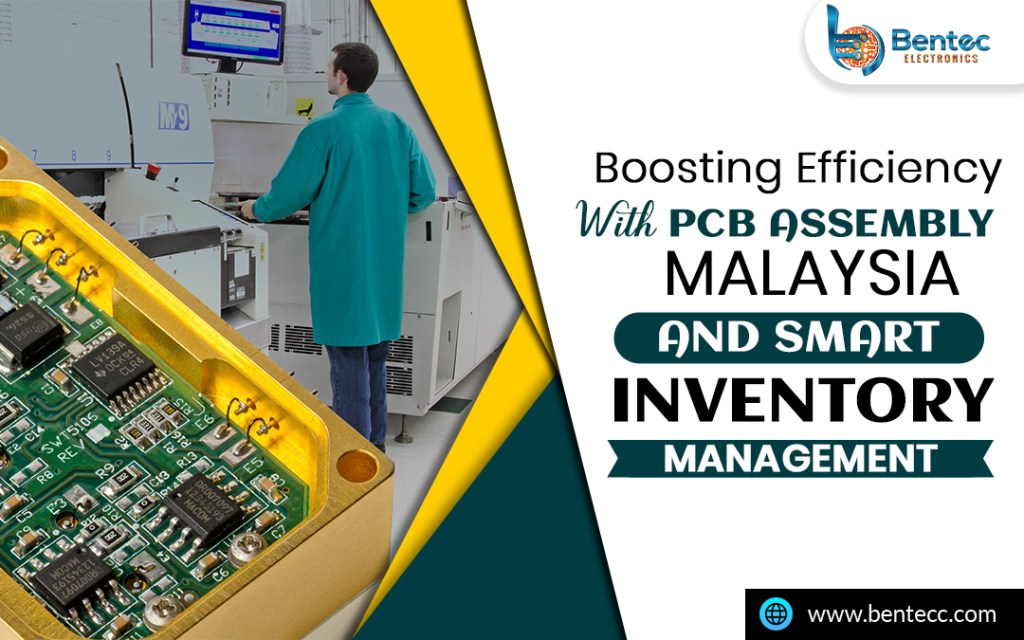
Boosting Efficiency with PCB Assembly Malaysia and Smart Inventory Management

When making electronics, time and precision are very important. Two important parts of this process are PCB Assembly Malaysia and excess inventory management. When these parts fit together smoothly, they not only ensure that production goes smoothly but also save money and use resources in the best way possible. This article discusses why these things are important and how they impact the manufacturing business.

The Malaysian PCB Assembly Process

Malaysia is a major PCB assembly center because of its talented labor, sophisticated technology, and low prices. PCB assembly involves precisely placing electronic pieces on a PCB to make circuits work.  It takes a lot of accuracy to place and solder parts together to ensure the quality and stability of the result. Businesses can find high-quality PCB assembly services in this country because it is in a good location and has a robust supply chain network.

The Purpose of Excess Inventory Management

Businesses need to keep track of their stock. The process of handling extra stock cleverly is called excess inventory management. When you work in the electronics business, having less inventory can be very bad. For example, it can lead to higher storage costs and the chance that items will become updated. By managing their extra goods better, businesses can waste less, free up warehouse room, and get more cash flow. Companies can avoid the problem of making too much by ensuring they have the right stock on hand through good inventory management.

Combining PCB construction and inventory control

PCB assembly Malaysia and excess inventory management must work together to complete the most work. Supply chain management and assembly must work well together to keep production on track and shorten wait times. This balance also makes it less likely that there will be too much or too little stock, which can slow down production and raise costs. When businesses have a system that works well with others, they can quickly meet the market’s wants.

Good PCB Assembly Inventory Management Benefits

There are many benefits to managing excess material well in PCB manufacturing. It lowers costs like taxes, insurance, and storage fees that come with running a business. Keeping their inventory low lowers the chance that they will hold on to old parts. This is very important in fields were technology changes quickly. Good inventory management also makes the supply chain more efficient by ensuring that things keep coming in so that work can continue.

Selecting Best Inventory Management and PCB Partner

If you want your business to run smoothly, it is essential to pick the right partner for PCB assembly Malaysia and excess inventory management. Clients should seek out service providers with a track record of success, cutting-edge tools, and a deep knowledge of inventory management. A reliable partner will offer excellent assembly services and also wisely handle their stock to avoid having too many extra items and make the most of production runs.

Conclusion

Finally, combining PCB assembly Malaysia with excess inventory management is a critical way to make production more efficient and save money. Combining these two things in a way that doesn’t look weird can give businesses an edge in the fast-paced tech market. It’s very important to find the right partner for these services if you want to ensure you get good products and run your business smoothly. This is why Malaysia is a hot spot for putting together PCBs and managing inventory. Bentec Electronics is your trusted partner in PCB assembly Malaysia and effective excess inventory management solutions. They will help you make your output more efficient.

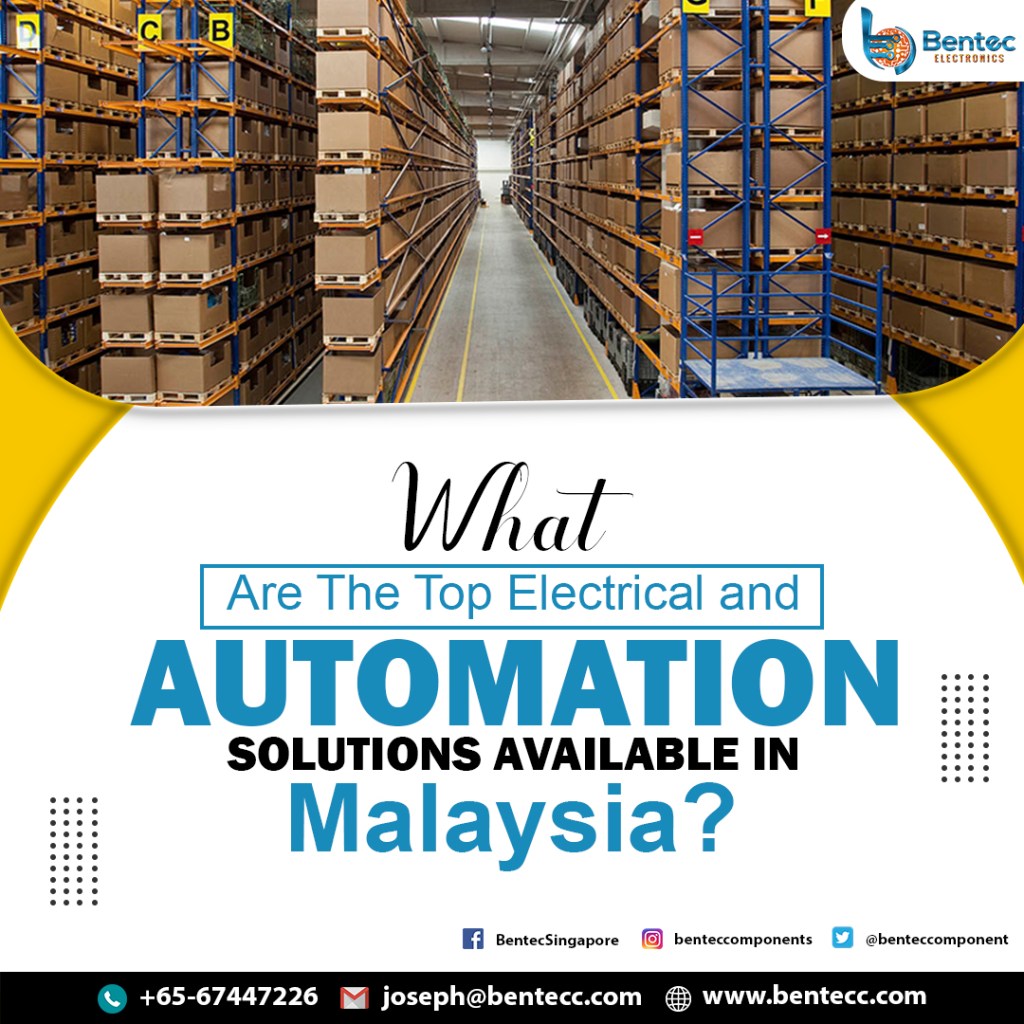
What Are The Top Electrical And Automation Solutions Available In Malaysia?

Malaysia is a place full of new ideas and good skills in technology, especially when it comes to things about electricity and machines that work by themselves. If you want to know about the best things available there, this is the right spot for you. No matter if you require the latest in PCB assembly, good quality cable harnesses, or advanced factory automation systems, Malaysia has these.

The manufacturers and service providers in Malaysia are recognized widely for their skill, high quality, and trustworthiness. So, whether it is for somebody who loves technology, works in the industry, or is just interested in new inventions, let’s explore the top electrical and automation solutions that Malaysia offers.

  • Full turnkey box PCB assembly

One of Malaysia’s special things is in the area of electric solutions, a full turnkey box PCB assembly. What makes harting distributor Malaysia good is their skill in handling the whole creation process smoothly. This stops problems and makes sure that quality is good and things are delivered on time.

  • PCB design

Malaysia has a strong sector for designing PCBs (Printed Circuit Boards) that helps many different industries like things you use at home, cars, and even airplanes. The firms in Malaysia that make PCB designs are famous for being good at making special layouts of circuits that are good at working well and use less power. 

Be it simple one-layer boards or complicated many-layer designs, Malaysian companies do well in delivering top-notch PCB layouts that meet strict control standards.

  • Cable harness

The making of cable harnesses is another place where Malaysia does well in solutions related to electricity. Companies that make cable harnesses in the country offer made-to-order options for various uses, such as cars, telephone systems, and tools for factories. 

These harnesses are very carefully put together and made to make sure they are reliable, can last for a long time, and follow the rules of the industry. Companies from Malaysia are known for handling big production jobs and are still able to change or adjust according to what different customers need.

  • Factory automation

Malaysia is becoming more and more a favored place for factory automation solutions because of progress in robotics, the Internet of Things (IoT), and Artificial Intelligence (AI). The people who are experts in making these factory automation systems in Malaysia are known for creating and putting in place setups that make the making of things easier, faster, and with the same good quality every time. 

Whether it is machines for automatic assembly, robotic arms, or excess inventory management to watch over things, Malaysian businesses give full solutions that help companies who make things improve their work and competition in markets around the world.

  • Lithium-ion battery packs

Due to the growing need for ways to store energy, Malaysia is becoming an important figure in making lithium-ion battery packs. Companies in Malaysia use advanced cell technologies and strict quality checks to create high-quality battery packs for cars needing electricity, small electronic gadgets, and systems using renewable energy. 

Malaysian makers of battery packs are recognized for their skill in raising production as per market needs and also sticking to safety rules and environmental care.

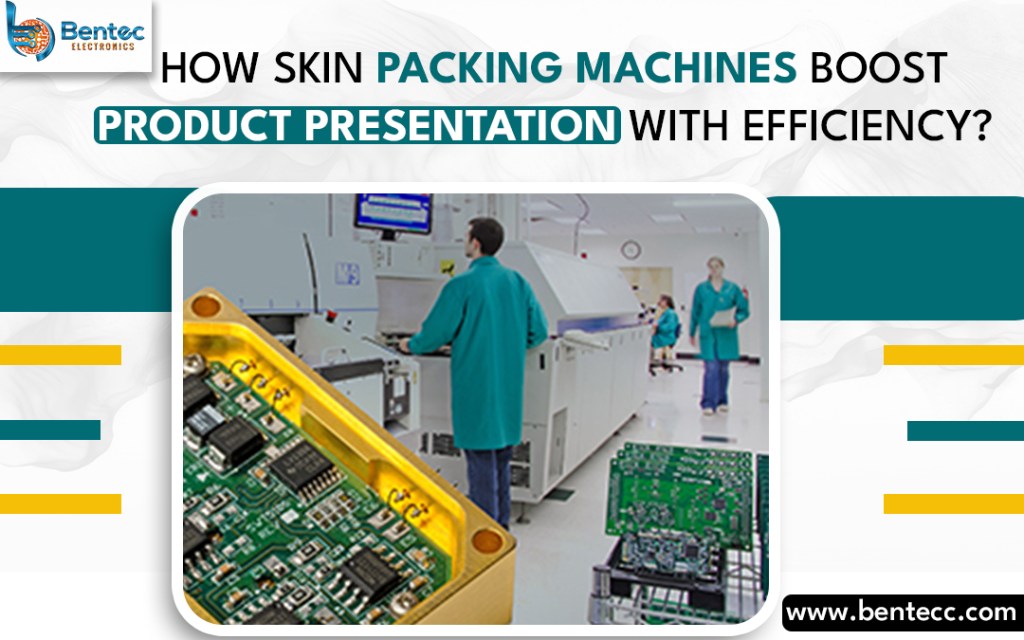
How Skin Packing Machines Boost Product Presentation With Efficiency?

In product presentation, the spotlight is now shining on a game-changer – Skin Packing Machine Singapore! If you’re wondering how these innovative gadgets revolutionise the game and boost efficiency, you’re in for a treat. Let’s dive into the magic of Skin Packing Machines and discover how they’re transforming product presentation and aiding in excess inventory management.

1. The Skin Pack Spectacle

Imagine your product snugly wrapped and every contour highlighted, tempting customers with a visual feast. Skin packing, quite literally, gives your products a second skin. This transparent film tightly hugs the item, leaving nothing to the imagination. The presentation is elevated to a whole new level, from delectable snacks to cutting-edge gadgets.

2. Beyond Aesthetics: Protection Matters

While we’re all for the aesthetic appeal, Skin Packing Machines offer more than just a pretty face. The tight seal formed by the skin packaging provides an additional layer of protection. Say goodbye to worries about dust, moisture, or mishandling. Your products are not just displayed attractively; they are shielded against the unpredictable elements of the supply chain.

3. Efficient Excess Inventory Management

One of the nightmares of any business is excess inventory. It takes up valuable space and ties up funds that could be better utilised. Enter Skin Packing Machines as the unsung heroes of extra inventory management. With these machines, you can streamline packaging processes, making it easier to manage surplus stock efficiently.

4. Space-Saving Elegance

Traditional packaging methods often leave you with bulky, oddly shaped packages that are a hassle to store. Skin packing, however, eliminates unnecessary bulk, making storage a breeze. Compact, efficient, and visually appealing – the triple threat that makes Skin Packing Machines the choice of smart businesses.

5. Customisation Unleashed

Packaging should not be the same for every product because they are not all made equal. Skin Packing Machines offer a level of customisation that is a game-changer. Whether your product is a unique shape or you want to convey a specific message through the packaging, the flexibility provided is unparalleled.

6. Eco-Friendly Packaging at Its Best

Skin Packing Machines are stepping up in an era where environmental consciousness is non-negotiable. The materials used in skin packaging are often recyclable, making it a sustainable choice. Businesses can embrace this technology not just for its efficiency but also for its eco-friendly footprint.

7. Time Is Money: Save Both

Time is money, or at least a valuable commodity, in the corporate world. Skin Packing Machines are not just about aesthetics and protection; they are about efficiency. The speed at which these machines operate can significantly reduce the time spent on packaging, allowing your team to focus on more critical aspects of the business.

The Bottom Line: Wrapped in Success

From elevating the visual appeal of your products to offering a streamlined solution for Excess Inventory Management, these machines are the unsung heroes every business needs. Investing in a Skin Packing Machine isn’t just a choice; it’s a strategic move towards a future where efficiency, presentation, and sustainability converge to create a packaging revolution.