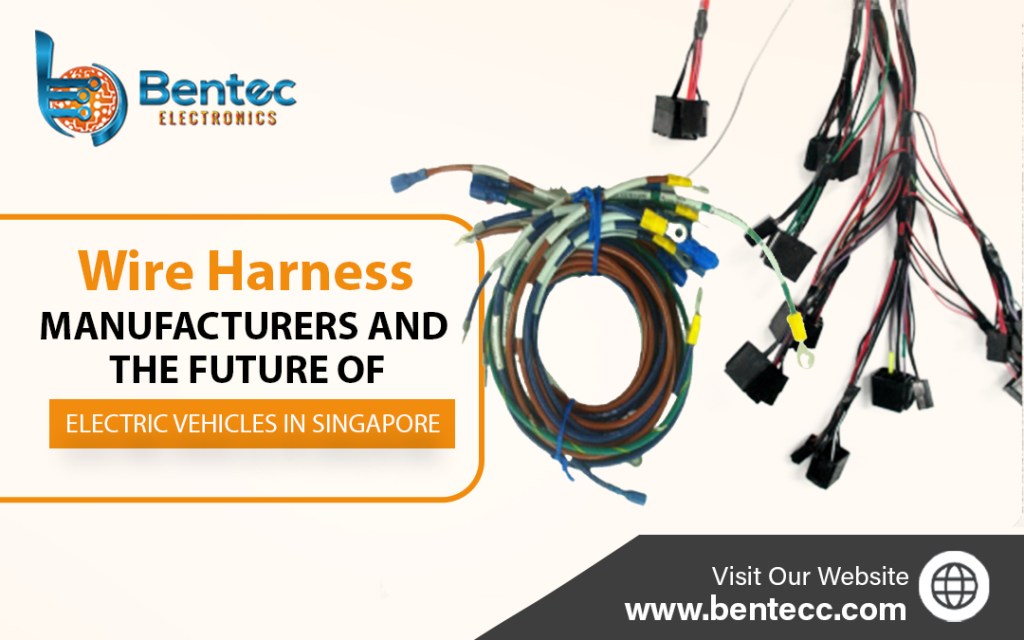
Wire Harness Manufacturers and the Future of Electric Vehicles in Singapore

The future of electric cars (EVs) is changing the nature of the automobile industry across the globe. As countries like Singapore move towards a cleaner future, there has never been a greater need for EVs. At the center of all this transformation is the contribution of wire harness manufacturers, who are tasked with producing the complex systems that charge and link the different parts of EVs.

In this blog, we will discuss the significance of wire harnesses in the electric vehicle industry and how businesses are future-proofing electric vehicles in Singapore.

The Crucial Role of Wire Harnesses in Electric Vehicles

Wire harnesses provide a channel through which electric devices like motors, sensors, batteries, and charging systems communicate effectively to facilitate the proper operation of the whole electric vehicle.

Wire harnesses have the duty of carrying out a number of important duties in EVs:

  • Power Supply: EVs need to have proper power distribution to different components of the vehicle, from the electric motor itself to the onboard charger. Wire harnesses provide power correctly through such systems.
  • Signal Conveyance: EVs today have lots of sensors, cameras, and control units that need to talk to one another in unison. Wire harnesses transfer the signals between the units.
  • Reliability and Safety: Due to the high voltage and risk of hazards from EVs, wire harnesses are made to be durable, fire-resistant, and safe so that they can withstand extreme conditions and remain in working condition for some time.

The Need for Wire Harness Manufacturers in Singapore

With Singapore moving forward in electric mobility aggressively, the need for high-quality wire harnesses is also on the rise. Singapore’s vision of curtailing carbon emissions and encouraging environmentally friendly technologies has been fueling an uprising in the sale of EVs.

The following are the primary drivers propelling the demand for the best wire harness manufacturer in Singapore:

Government Incentives

The Singaporean government has launched a number of incentives and policies for the development of electric vehicles in an effort to encourage the increase of electric vehicles, such as grants for EV adoption and EV charging infrastructure subsidies.

Technological Advancements

With the EV technology advancing at a fast rate, wire harness manufacturers are required to follow evolving design needs in order to enable wire harnesses with increased voltage support and improved power distribution systems.

The Wire Harness Manufacturer’s Role in the Future

With the Singapore EV industry still expanding, the suppliers of wire harnesses will also play an important role in further development of the potential of electric vehicles. Some of the ways through which they will influence the future of the industry are the following:

  • New EV Solutions: The suppliers of wire harnesses will be requested to develop novel solutions that will directly respond to the needs of EVs, including high-speed electric motors, as well as efficient energy storage solutions.
  • Sustainability: They care about the green materials and manufacturing processes that are environmentally friendly, as it is a global trend to produce cars more sustainably.
  • Installation of Smart Techs: In autonomous driving, wire harnesses should be prepared to deliver the communication systems that will precondition the use of AI-driven technology to make it work perfectly.

In Conclusion

The Electric vehicle in Singapore has a great future because the country can be considered a leader in terms of adopting green technology and innovation. Finally, wire harness manufacturers and other major suppliers, like a Harting distributor in Singapore, will lead the next round of electric vehicle development, as they will add to the sustainability and technological capability of the industry.
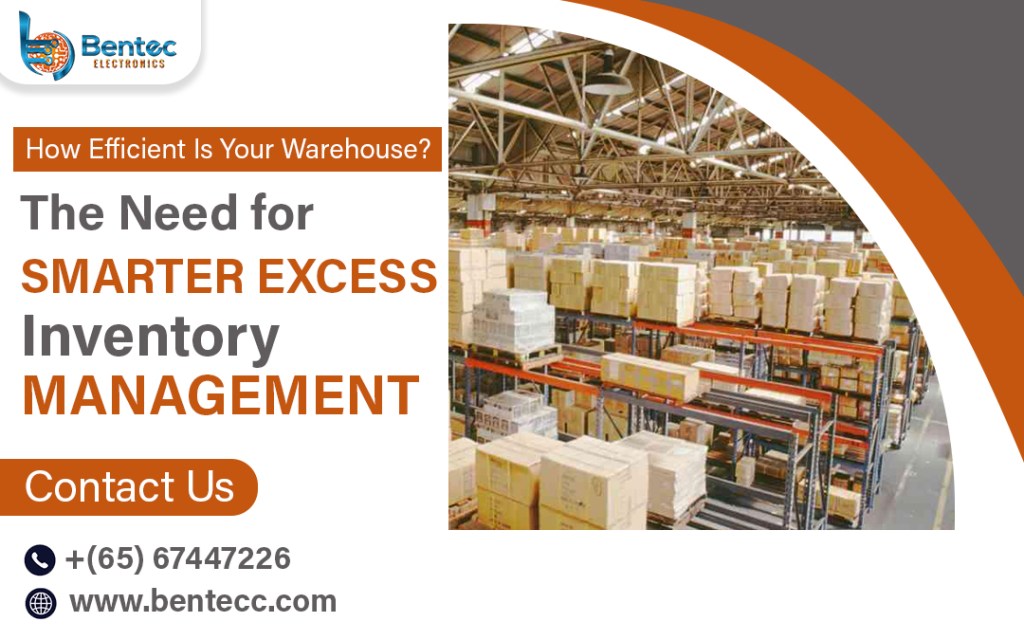
How Efficient Is Your Warehouse? The Need for Smarter Excess Inventory Management

In today’s fast-moving industrial environment, warehouse efficiency isn’t merely an efficiency measure—it’s a requirement for business survival. The escalating demand for smart industrial components, like those by a Harting distributor in Singapore, has put a greater burden on warehouses to work with precision.

Yet, one of the neglected challenges that upset this accuracy is excess inventory. Inefficient handling of surplus stock can lead to increased costs, wasted storage space, and, eventually, reduced operational performance.

Understanding the Hidden Costs of Excess Inventory

Overstock is more than unused inventory—it’s immobilized capital, added storage expenses, and higher obsolescence risk. When warehouses are full of unsold or sluggish merchandise, room to store fast-moving inventory decreases. In addition, stock mismanagement can produce inaccurate forecasts and procurement errors, exacerbating the issue in the long run.

Most common problems related to overstock:

  • Higher storage and maintenance expenses
  • Lower cash flow
  • Increased risk of product expiration or obsolescence
  • Wasteful use of warehouse capacity
  • Supply chain agility disruption

Specialized supplier-influenced warehouses, like a Harting distributor in Singapore, should be extra vigilant since component life cycles can be brief, and specs can evolve swiftly.

Why Smarter Inventory Management is Important

Successful excess inventory management is not merely about minimizing excess—it’s about developing a lean and responsive system that enables agility and precision. With the help of smarter strategies, companies can turn warehousing into a profit-generating unit instead of a cost center.

Smarter Excess Inventory Management Strategies:

1. Data-Driven Forecasting

Use forecasting systems that review past trends and forecast future demand with a high level of accuracy. Involving real-time sales and supply data in your inventory choices is the key to avoiding overstock.

2. Regular Inventory Audits

Schedule regular checks and stock assessments in order to detect slow-moving stock before it turns into dead stock. A cycle count system usually beats periodic annual counts in terms of maintaining accuracy.

3. Demand Segmentation

Classify inventory according to the variability of demand. This aids in fitting inventory strategy to various product classes and market behavior, maximizing order quantities.

4. Automated Replenishment Systems

Automation reduces errors caused by humans and assists in maintaining optimum levels of stock. Automated systems also issue notifications whenever there are mismatches or threshold crossing.

5. Liquidation and Redistribution

Anticipatively sell out old stock or shift it from one branch to another where there could be more demand. This not only opens up space but also minimizes the write-off burden.

Making the Transition: From Overstock to Optimization

Shifting to intelligent inventory practices does not mean an overhaul—it starts with incremental, regular improvements. Adopting just one of the above strategies can result in quantifiable gains. For example, companies involved in technical component supply chains—like those handling a Harting distributor in Singapore—can gain significantly from intelligent demand planning and rigorous inventory classification.

A contemporary warehouse needs to advance beyond being merely a passive repository. It needs to be an adaptive, responsive node in the supply chain. Effective excess inventory management is key to this progression.

In Summary

Excess inventory is a silent drain on warehouse productivity and profitability. By adopting data-driven, segmented, and automated strategies, businesses can achieve leaner operations and better serve their markets. Whether you’re handling consumer goods or partnering with a Harting distributor in Singapore, refining your approach to excess inventory management is critical for long-term success.

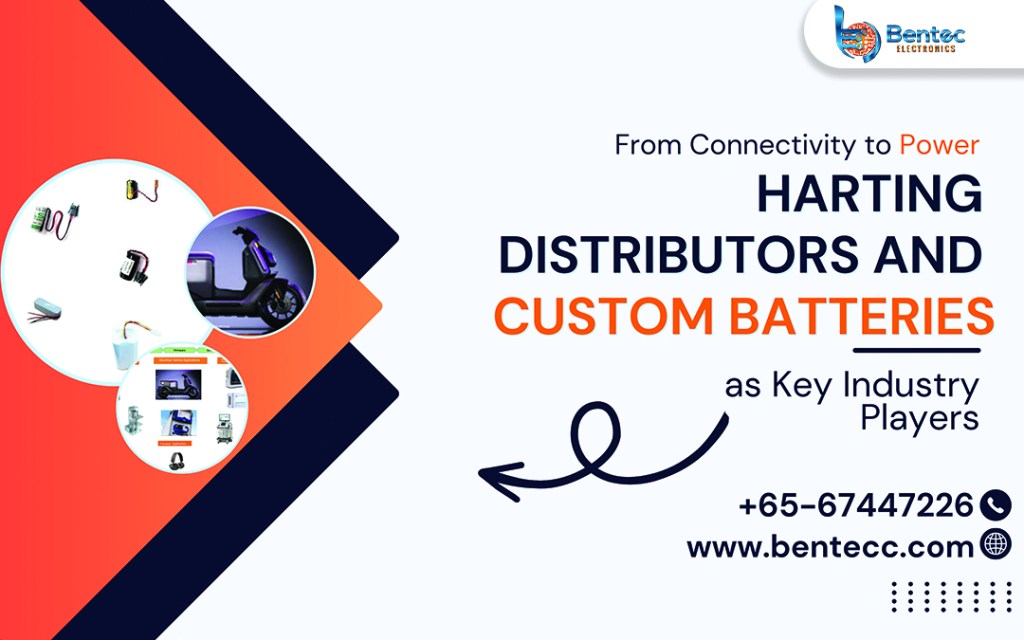
From Connectivity to Power: Harting Distributors and Custom Batteries as Key Industry Players

Companies in industries that involve connectivity and power solutions depend on specific elements that can provide the needed support. Two important components involved in this system are ‘Harting connectors’ and ‘Custom battery solutions’ which are used in many applications. 

In Singapore and Malaysia specifically, these components are inherent in manufacturing, automation, transport and telecommunication industries.

The Role of a Harting Distributor in Singapore

1. Industrial-Grade Connectivity Solutions

A Harting distributor in Singapore provides quality connectors for data, power and signal conveying in industrial applications. Thus, these connectors are used in the following:

  • Automation Systems: Facilitating uninterrupted data exchange in smart factories.
  • Railway and Transportation: Enhancing power and communication reliability in transport networks.
  • Energy Sector: Supporting secure electrical connections in renewable energy installations.

2. Enhancing Efficiency and Reliability

Applications in industries in Singapore need cables that are resistant to conditions such as fluctuating temperatures, humidity and vibrations. There are several components that a Harting distributor in Singapore offers in the following ways:

  • They should avoid the loss of signal and power interruptions.
  • Maintain low value for money through quality and durability of the connections.
  • These should be offered in a modular fashion to easily fit into various applications.

3. Advanced Technologies in Connectivity

The complexity of the modern industries’ requirements calls for more sophisticated connector technologies and their further automation and digitalization. These distributors provide:

  • High-speed data connectors for seamless machine-to-machine communication.
  • An example of hybrid connectors is those that combine power, signal and data in one single interface.
  • Solutions depending on a particular field of business and its needs.

Importance of Custom Battery Solutions in Malaysia

1. Compliance with Power Demands by Specific Industries

Power solutions need to meet particular requirements of the standards of the industries and their demands for performance and safety. In a manner of speaking, a custom battery in Malaysia is meant to:

  • Fit the required specifications in voltage, capacity, and form factor.
  • Enhance efficiency for specific business needs in certain industries.
  • All this needs to be achieved for the constant and sustainable provision of electricity.

2. Variations for Applications

The Malaysian custom battery caters to all sectors, especially the following areas:

  • Medical Equipments: These are used with consistent energy backup for life-critical applications
  • Renewable Energy Systems: Power storage for sustainable operation in renewable energy system
  • Aerospace and Defence: High-density energy for the mission-critical devices

3. Advanced Technologies in Batteries

Advanced Battery Technologies include all the battery chemistries, management systems to be included into the customised batter solutions are as follows:

  • High-energy efficiency with lithium-ion and lithium-polymer batteries
  • Real-time monitoring with smart BMS for safety purposes
  • Fast-charging capability could be utilized for the realization of a few improvement objectives regarding the operational efficiency.

The Bottom Line: Increasing Demand For Integrated Solutions

With increased sophistication in industrial processes, connectivity solutions and also custom battery systems are changing to fit the new requirements. To complement this, businesses can ascertain quality connectivity and power solutions by dealing with trusted distributors, achieving optimum performance, reliability and creativity in their operations.