
During economic downturns, e-commerce brands can find themselves having to reassess their purchasing habits, rendering the process of planning, stocking, and moving product less predictable. Under these circumstances, Excess Inventory Management is an essential practice of good operations that prevents liquidity from being tied up in unsold products while keeping the service going.
It is about the balancing of demand uncertainty and supply commitment, decreasing overstock risk, and enhancing warehouse efficiency without any sacrifice of the fulfillment speed for customers.
Why Inventory Surpluses Increase During Slowdowns
When demand patterns become volatile and unpredictable, and/or the forecasting models become less accurate during downturns. Purchasing orders placed in the past under optimistic projections may not be harmonised with real consumption patterns. This means that combined, there is a build-up of a multi-object class inventory.
Furthermore, purchasing policies such as ‘bulk buying’ and suppliers with longer lead times can aggravate surplus accumulation. If brands continue to delay price and/or distribution changes, the issue of inventory continues to grow and become more problematic, resulting in inventory congestion and decreased capital efficiency.
Strategic Approaches to Inventory Optimization
Surplus in stocks needs to be managed with a system, which should include stock forecasting, segmentation, and logic for distributing stocks. Key strategies include:
- Recalibrating demand: Making forecasts based on current demand signals and trend deceleration measures.
- SKU prioritization: Providing a classification of products according to velocity, seasonality, and holding cost impact.
- Dynamic allocation: Transferring inventory between warehouses to address inventory imbalance in one region vs another.
- Structured markdown logic: Implementing controlled discounting frameworks as opposed to price cut reactive prices.
- Reverse logistic planning: Development of return/logic planning and refurbishment/repackaging paths to obtain value.
All of these techniques help to make Excess Inventory Management more robust, less reliant on stability planning models, and can enhance responsiveness.
Operational Systems and Tracking Mechanisms
Good inventory tracking and identification systems are essential features of efficient inventory control. With digital tracking tools and physical tagging equipment, transparency can be maintained throughout storage points throughout the system. Labeling systems for structures help to guarantee that all the components of these are accounted for at all times, minimising mistakes and differences in audits.
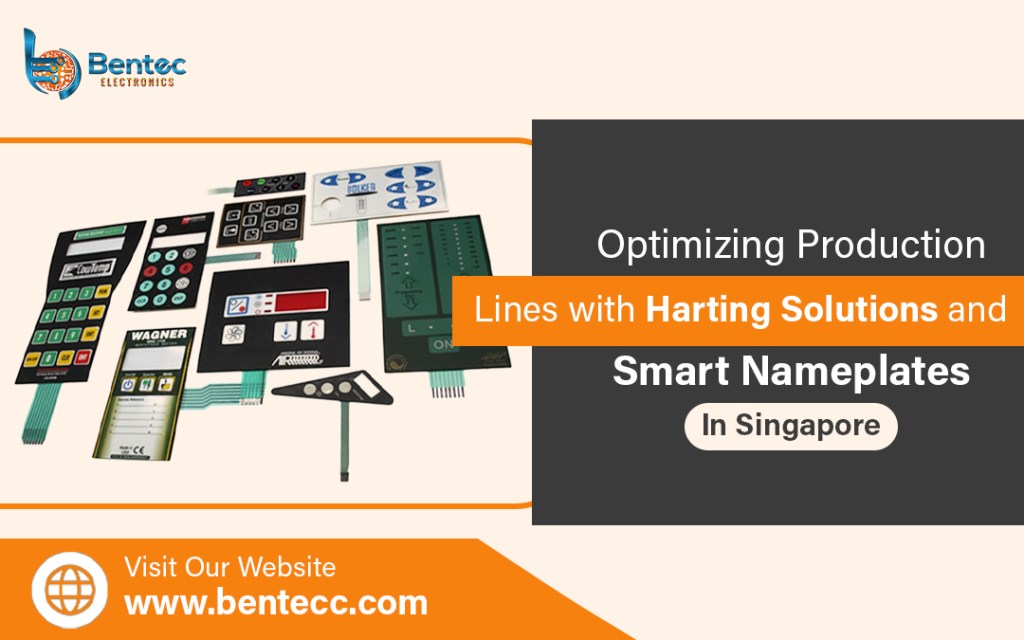
For high-tech warehouses, the standardized naming system, such as Nameplates, can often be used to enhance the identification of the items in the shelving systems and packages. These identifiers enable workflows that integrate automated scanning and improve inventory database/physical inventory synchronization.
Multiple uses of Nameplates in Singapore in multiple storage areas ensure consistency in tracking accuracy and clarity in use during operations.
Key Practices for Long-Term Inventory Stability
Adhering to processes of resilience in times of extended economic downturns goes beyond the level of remediation on a short-term basis. Here are some of the practices that help to maintain balance:
- Improving cooperation from suppliers for adapting orders as required
- Making use of periodic inventory reviews instead of rolling inventory reviews
- Multi-channel distribution with a view to diversifying ways of moving stock
- Developing buffer thresholds that respond to the changing nature of demand
- Enhancing visibility in finance through inventory linkage to cash flow
Excess Inventory Management is refined with the proper levels of stock in line with changing demand cycles to ensure liquidity to run operations.
In Conclusion
Structural efficiency of e-commerce inventory systems is put to the test in times of economic downturn, and a disciplined approach to oversight is needed. Structured identification is enhanced further with systems like Nameplates in Singapore, which supports seamless inventory control and operation while providing a scalable solution.
With regular use, Excess Inventory Management becomes a tool to make it more proactive and a trade advantage that allows for a more stable performance, even in uncertain markets.
 Bentec Components